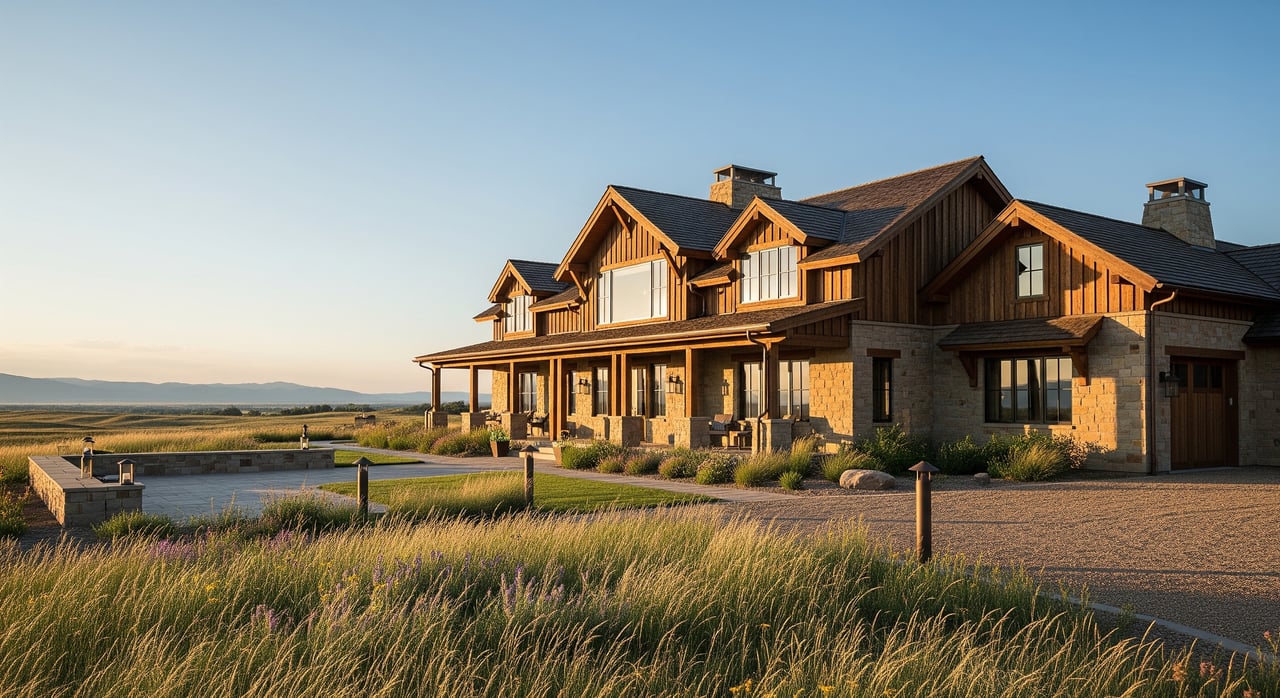
Thinking about trading Denver’s pace for Wyoming space? If you want more room, a calmer rhythm, and a strong community feel, Cheyenne might be the move that fits your life and budget. You still want access to the Front Range, a solid job setup, and a plan that avoids surprises. This guide gives you practical, local insight on neighborhoods, cost of living, commute realities, taxes, and a step-by-step timeline to make your transition smooth. Let’s dive in.
What changes when you leave Denver for Cheyenne
City scale and pace
Cheyenne is Wyoming’s capital with a small-city feel and fewer urban districts than Denver. You’ll find less congestion, shorter local drives, and an easygoing daily rhythm. The trade-off is fewer big-city amenities, but more citywide events and a tighter community feel.
Climate and weather reality
Cheyenne sits on the High Plains at high elevation. It tends to be windier and can feel colder than Denver in winter. Snow and wind can influence driving on I-25, so plan for flexible travel during storms and keep your vehicle winter-ready.
Culture and community
Expect Western heritage to show up in festivals, rodeos, and seasonal events. Cheyenne Frontier Days is the standout, and parks, trails, and regional recreation are a big part of local life. You’ll still find dining and arts, just on a smaller scale than Denver.
Neighborhoods and housing options in Cheyenne
Historic core and downtown
The historic core offers older homes with character, some condos or lofts, and walkable access to government offices and local shops. Older properties may involve more maintenance or as-is conditions, so build in time for thorough inspections.
Established residential areas
Traditional neighborhoods feature mid-20th century homes near parks and schools. Yards are common, and you’ll see a range of updates depending on the property. These areas often balance price, space, and convenience.
Newer subdivisions
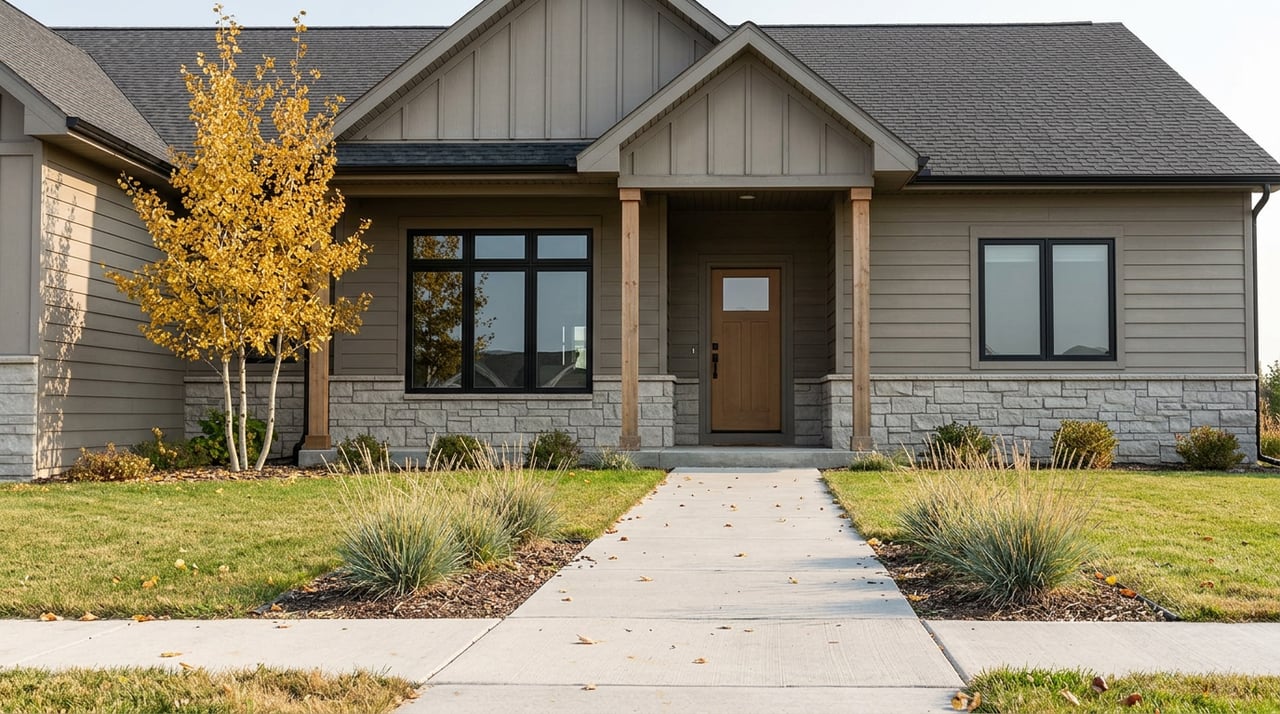
Newer developments, often to the west and southwest, bring modern floor plans and larger lots relative to many Denver suburbs. You may find homeowner associations and covenants, so review rules and fees before you buy.
Rural outskirts and acreage
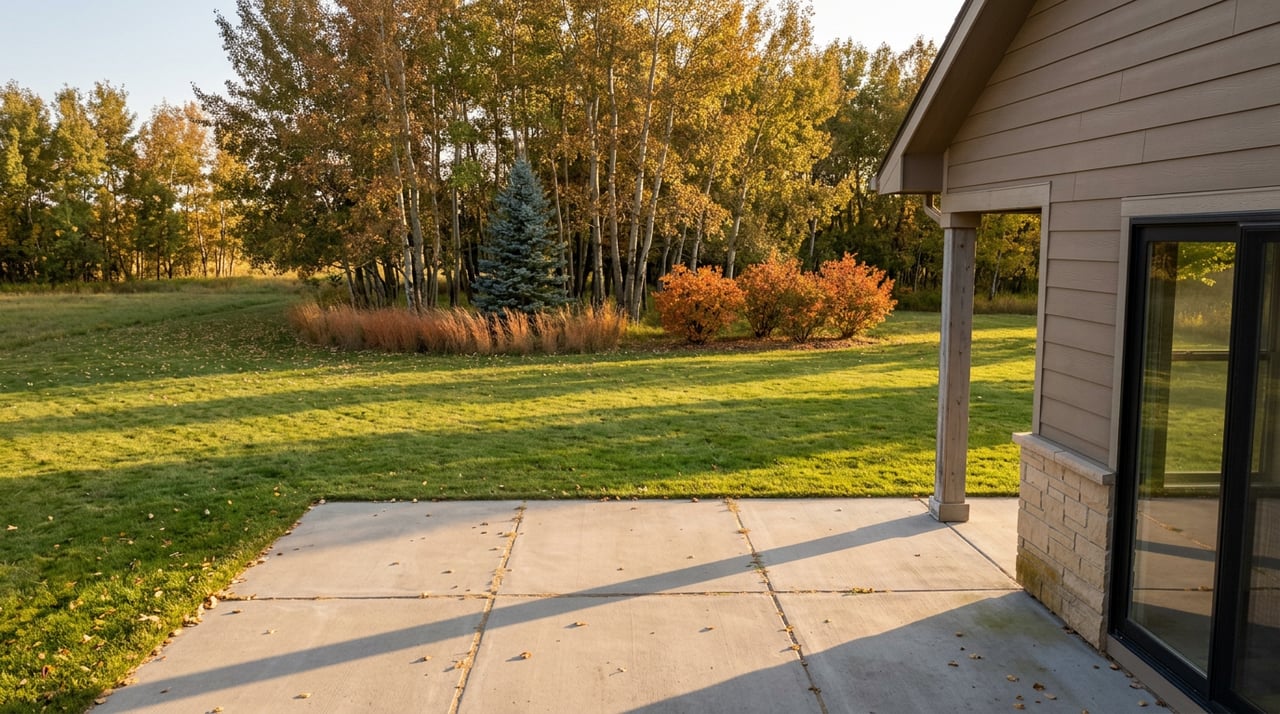
Outside city limits, you’ll find small acreages and hobby-farm potential. This setting is ideal if you want privacy and room to spread out. Confirm utilities, water sources, septic systems, and access roads, and review Laramie County zoning and permitting when you consider outbuildings or future projects.
Typical trade-offs to weigh
Many Denver-to-Cheyenne movers prioritize lower purchase prices, bigger yards, and quiet streets. Fewer urban amenities and longer trips for specialized services are common trade-offs. Work with a local agent who understands Laramie County zoning, utility availability, and rural property logistics to protect your timeline and budget.
Cost of living and taxes you will feel
Income tax differences
Wyoming does not have a state individual income tax. Colorado taxes residents and also taxes nonresidents on income earned for work performed in Colorado. If you live in Cheyenne but work physically in Colorado, expect Colorado tax obligations as a nonresident. If you live and work in Wyoming or work remotely in Wyoming for a Wyoming employer, you avoid state income tax. Because payroll and telework rules can be complex, consult a tax professional for your specific situation.
Property and sales taxes
Property tax amounts vary by assessed value and county factors. Check Laramie County assessor resources for current assessments and exemptions. Sales tax rates differ from Colorado and can change by jurisdiction, so confirm city and county rates for your purchases and budget.
Housing costs and your monthly budget
Many buyers find they can get more space for their money in Cheyenne than in Denver. Before you shop, review current median sale prices, inventory, and days on market. Compare mortgage scenarios, including insurance and utilities, so you see a full monthly picture. If you plan to buy in an HOA community, include dues and any transfer fees.
Insurance and vehicles
Premiums for auto and homeowners insurance vary by carrier and property specifics. Wind and hail can influence rates, so request quotes for the exact address. When you establish Wyoming residency, plan for vehicle registration changes and a Wyoming driver license within state timelines.
Commuting, work, and hybrid life
The I-25 commute
I-25 links Cheyenne and Denver. The drive is often 1 to 1.5 hours each way between central Cheyenne and Denver, depending on traffic and weather. Winter conditions can extend travel time, so try a test drive during peak hours and in colder months before you commit to a daily commute.
Remote and hybrid work
Many movers use hybrid schedules or fully remote roles. If you work for a Colorado employer, confirm where your work is performed for tax and payroll purposes and update your HR records after your move. Align your schedule with weather patterns and plan backup options when the interstate is impacted.
Air travel and transit
Denver International Airport remains the main hub for most flights. Cheyenne Regional Airport offers limited commercial service. Public transit between the two cities is limited, so plan on a personal vehicle for most travel.
Lifestyle, schools, healthcare, and internet
Schools and enrollment
Most of Cheyenne is served by Laramie County School District #1, along with charter and private options. District boundaries, bus routes, and enrollment processes can affect your home choice. Review official district materials for the most current maps and policies. Use third-party rating sites carefully, since methods vary.
Healthcare access
Cheyenne has regional hospital services and specialists for many needs. For certain specialties, residents sometimes travel to Denver or other regional systems. If healthcare access is a priority, call ahead to confirm specialist availability and typical wait times.
Outdoor recreation and events
You’ll have easy access to parks and nearby recreation areas, including regional state parks and the Laramie Range. Seasonal events and citywide gatherings are a big part of the calendar, with a strong Western identity.
Broadband and utilities
Urban neighborhoods typically have multiple internet providers. Rural properties may rely on fixed wireless or satellite. Verify provider coverage and speeds by address before you make an offer, and confirm whether a property has city services or requires well and septic.
Your relocation timeline and checklist
Three months out and earlier
- Research neighborhoods that match your priorities for commute, schools, and yard size.
- Connect with a Cheyenne-focused real estate agent to align budget and location.
- Get mortgage preapproval and start a running list of must-haves.
- Visit Cheyenne on weekdays and weekends to test the pace and services.
Six to eight weeks out
- If you’ll keep a Colorado role, discuss hybrid or remote arrangements with your employer.
- Consult a tax professional about state residency and nonresident withholding.
- Request insurance quotes for your target addresses.
- Gather medical, veterinary, and school records for transfer.
Thirty to sixty days out
- Confirm moving company dates and coverage.
- Set up utilities for your new home and schedule service start dates.
- Review driver license and vehicle registration timelines with Wyoming agencies.
- If buying, plan inspections suited to the property type, including wells, septic, and outbuildings.
Moving week and arrival
- Change your mailing address and update key accounts.
- Register to vote in Wyoming if eligible and applicable.
- Complete your final walk-through and closing tasks if purchasing.
- Test your commute route and internet speeds once you settle in.
Smart home shopping tips for Cheyenne
- Do a winter test drive of your commute and neighborhood streets.
- Ask about wind exposure, roof condition, and hail history.
- Verify internet options and speeds by exact address, especially on acreage.
- For rural properties, confirm well production, water quality, and septic permits.
- Review HOA covenants, road maintenance agreements, and outbuilding rules.
- Price out homeowners insurance before you write an offer.
- Walk the lot lines and check county mapping for easements and setbacks.
How The Harvey Home Team helps
You deserve a guide who knows the Wyoming–Northern Colorado corridor and treats your move with care. Our boutique, relationship-first approach pairs deep local knowledge with high-impact marketing through the Compass platform. You get clear neighborhood guidance, data-informed pricing, and hands-on transaction support from first call to closing.
What we bring to your move:
- Relocation management and logistics help across Wyoming and Northern Colorado.
- Structured buyer services, including valuations, strategy, and negotiation.
- Media-forward listing marketing with professional photo and cinematic video if you need to sell before you buy.
- Expertise across property types, from in-town homes to acreage and land.
Ready to talk next steps or plan a scouting trip? Reach out to The Harvey Home Team. Call me. Seriously.
FAQs
How long is the drive from Denver to Cheyenne?
- In typical conditions, the I-25 drive is often 1 to 1.5 hours each way, but winter weather and traffic can extend travel times.
Will I owe Colorado income tax if I live in Wyoming and work in Denver?
- Nonresidents are generally taxed by Colorado on wages earned for work performed in Colorado; consult a tax professional for your specifics.
What kinds of neighborhoods will I find in Cheyenne?
- Options include a historic downtown core, established mid-century areas, newer subdivisions with larger lots, and rural acreages outside city limits.
Is daily commuting between Cheyenne and Denver realistic?
- Some do it, but many choose hybrid schedules since winter and traffic can add time; test your commute at peak hours before you commit.
How is internet service for remote work in Cheyenne and rural areas?
- Most in-town addresses have multiple providers, while rural homes may rely on fixed wireless or satellite; verify coverage and speeds by address.
How do schools work if I am new to Cheyenne?
- Most of the city is served by Laramie County School District #1; review official boundary maps, bus routes, and enrollment steps before choosing a home.