Wondering if Longmont can give you a better home base without giving up access to Boulder or Denver? You are not alone. Many buyers look at Longmont because they want more space, a different housing mix, or a better value than Boulder, while still keeping a Front Range commute in reach. This guide will help you think through the real tradeoffs, what commuting looks like day to day, and how to choose the right fit for your routine. Let’s dive in.
Why Longmont Works for Commuters
Longmont is firmly part of the northern Front Range commute pattern. City data shows that about 72% of Longmont residents who work hold jobs outside the city, with Boulder, Denver, and Westminster among the most common destinations. That makes commuting a normal part of life here, not an edge case.
Location is a big reason why. Longmont sits about 16 miles from Boulder and about 37 miles from Denver, which puts you within reach of both employment centers. If your work is in Boulder, Denver, or along the corridor in between, Longmont gives you a practical launching point with more housing variety than some nearby markets.
The average commute time for Longmont workers is 24.5 minutes. At the same time, daily travel here still leans heavily toward driving alone, which accounts for 73% of commuting. In other words, Longmont can work well for a Front Range commuter, but it is best to go in with a realistic plan for how you want to travel.
What the Boulder Commute Looks Like
For many buyers, Boulder is the main reason Longmont lands on the shortlist. The trip generally centers on CO-119 and the Boulder-Longmont transit corridor. If you drive, your routine will usually be built around that route and the timing that comes with it.
If you want a non-driving option, RTD’s BOLT route connects Boulder and Longmont with weekday service throughout the day. That makes a car-light commute possible for some buyers, especially if your workplace and your home are both reasonably close to transit stops. Still, this is usually not a hop-on, hop-off setup in the way a rail-first market might feel.
The biggest question is often your first-mile and last-mile plan. Can you get from home to the stop, and from the stop to work, without turning the trip into a daily headache? If the answer is yes, Boulder is one of the more workable transit commutes from Longmont.
What the Denver Commute Looks Like
A Denver commute is possible from Longmont, but it usually asks more from you. The trip is more corridor-dependent and tends to rely on the I-25, US-36, and US-287 network. That means your specific workplace location matters a lot.
RTD regional options include LD1 and LD3 for Longmont-Denver service, plus LX and LX2 through the Longmont I-25 Express corridor. Current schedules tie into stops like Longmont Park-n-Ride and 8th & Coffman Park-n-Ride, which can help if you want to drive to a transit hub instead of driving the full route.
For many buyers, Denver is where the lifestyle tradeoff becomes more obvious. If you are comfortable building your day around a corridor commute and planning ahead, Longmont can still make sense. If you need a quick, highly flexible trip every day, you may want to weigh that carefully before you buy.
Transit in Longmont: Useful, But Not Rail-First
Longmont has more transit layers than some buyers expect. The city notes that local service includes Ride Free Longmont, RTD, and FLEX, with regional RTD connections to Boulder and Denver. The city also says current transit-facility work could allow bus rapid transit service to Boulder in 2027, with future rail support still in the long-range plan.
Inside the city, Ride Free Longmont is one of the easiest perks to understand. RTD says local routes 323, 324, 326, and 327 are free through the program. That can be helpful if you want to reduce short in-town car trips or connect to another route.
Longmont also offers RIDE Longmont, an on-demand service that runs Monday through Saturday from 6 a.m. to 8 p.m. and Sunday from 9 a.m. to 5 p.m. The city says rides cost $2, or $1 for students, seniors, and riders with disabilities. For some households, that adds flexibility for errands or local connections even if the main work commute still happens by car.
The bottom line is simple: transit exists, and it can be useful, but Longmont is not a rail-first market today. If public transit is a top priority, it helps to map your exact route before you commit to a home search area.
Longmont vs Boulder on Cost
If you are comparing Longmont to Boulder, the price difference is one of the clearest reasons to look north. Current Zillow data shows Longmont with a typical home value of $556,720 and a median sale price of $539,567 as of March 2026. Boulder is much higher, with a typical home value of $964,531 and a median sale price of $1,010,000.
That means Longmont’s typical home value is about 42% below Boulder’s. For buyers, that gap can open up more options in home size, lot size, or housing type. It can also make the idea of trading some commute time for more house feel worthwhile.
Rent trends tell a similar story. Longmont’s average rent is about $1,858, while Boulder sits roughly between $2,475 and $2,508. If you are planning a move and considering renting first, Longmont can also offer a more affordable testing ground than Boulder.
Longmont vs Denver on Cost
The Denver comparison is more nuanced. Zillow’s current figures put Longmont’s typical home value at $556,720 and Denver’s at $539,666. Median sale prices are also close, with Longmont at $539,567 and Denver at $533,667.
That means the decision is often less about headline price and more about what you get for it. Longmont has a stronger single-family housing profile, and many buyers are drawn to the chance for more space or a different neighborhood feel. If your job is in Denver, the question is usually whether that housing tradeoff is worth the commute.
Rental costs are also fairly close. Longmont averages about $1,858, while Denver is roughly $1,818 to $1,826. So if you are choosing between these two markets, your decision may come down to lifestyle, commute tolerance, and the kind of home you want rather than a major citywide price gap.
What Kind of Homes You’ll Find
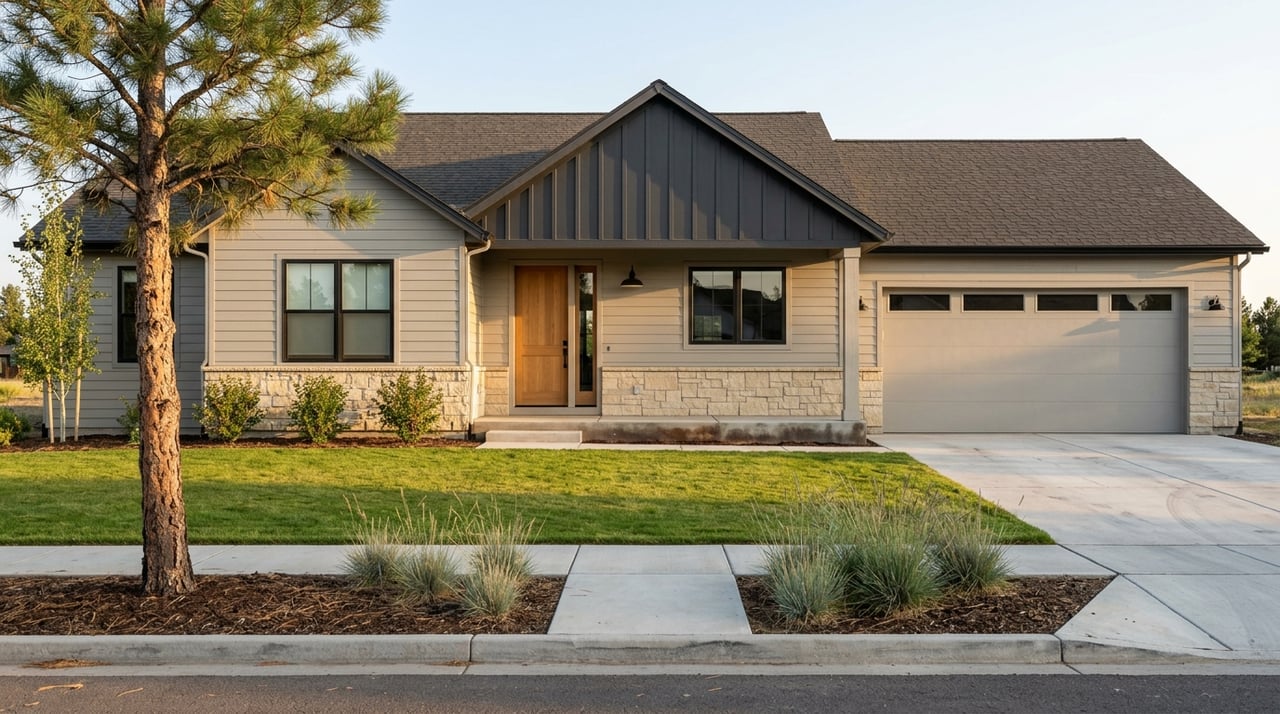
Longmont still skews heavily toward single-family detached homes. A recent city-commissioned housing report found that 63% of the housing stock is single-family detached, about 20% is in buildings with five or more units, and about 9% is attached single-family housing such as townhomes. That mix matters if you want a detached home and do not want to shop in a much higher-priced market.
A lot of Longmont’s housing was built between 1960 and 1999, accounting for 61% of all units. In practical terms, that often means you may find more interior space and larger lots than in some in-town options closer to Boulder. It can also mean you should pay attention to condition, systems, and updates when comparing one home to another.
For buyers, this creates a pretty useful menu of choices. You can target older neighborhoods with established patterns and proximity to downtown, or look at newer planned areas that may fit a more suburban or mixed-use preference. The right pick depends on how you balance commute, home style, and daily convenience.
Neighborhood Patterns to Know
Longmont’s planning documents divide the city into established and planned neighborhood areas. Established neighborhoods include places like McIntosh, Longmont Estates, Garden Acres, Loomiller, Sunset, Southmoor, Lanyon, Clark Centennial, Kensington, and the downtown and commercial districts. Planned areas include East Side, Lower Clover Basin, West St. Vrain, Airport, Upper Clover Basin, Pike, Quail, Terry Lake, McLane, Longmont Tech Center, and Westview.
For a lot of buyers, the broad choice comes down to older central areas versus newer edge-area neighborhoods. Older central parts of Longmont can appeal if you care about a stronger historic core, proximity to Main Street, and a more established feel. Newer areas may appeal if you want a more suburban layout or newer housing patterns.
Longmont also has a meaningful historic presence. The city says it has three National Historic Districts and more than 130 local landmarks, with most protected landmarks near Main Street on both sides of downtown. If walkability and character matter to you, the historic core often deserves a closer look.
How to Choose the Right Spot
The best area for you depends on your actual routine, not just your budget. If your work is in Boulder and you hope to use transit, it makes sense to focus on neighborhoods where getting to the BOLT route or local connectors feels straightforward. If you are driving most days, your preferred corridor and tolerance for in-town setup time may matter more.
If your job is in Denver, park-and-ride access may become part of your search. Some buyers want the flexibility to drive to a regional stop rather than drive the entire route. Others decide that if they are already committing to a longer commute, they want the biggest housing payoff possible.
It also helps to be honest about your week, not your idealized version of it. A home that looks great on paper can feel very different if the daily trip wears you down. The goal is not just to buy in Longmont, but to buy in the part of Longmont that fits how you actually live.
Who Longmont Fits Best
Longmont tends to fit buyers who want a strong mix of access and value. It can be especially compelling if you work in Boulder, want more housing options than Boulder offers at the same price point, and are comfortable with a car-first or bus-assisted routine. It can also work for Denver commuters who prioritize home type and space over being close to the urban core.
This market is often a smart match if you are relocating and need a practical base that connects to multiple parts of the Front Range. It is also worth a close look if you want a detached home, a townhome, or an older property with a different feel than newer suburban inventory elsewhere. The key is matching the home search to your commute pattern instead of treating the entire city as one uniform option.
If you are weighing Longmont against Boulder or Denver, it helps to look beyond citywide averages and focus on your specific needs. Commute routes, transit options, housing type, and day-to-day logistics all shape whether Longmont feels easy or frustrating. That is where local guidance can make the decision a lot clearer.
If you want help narrowing down where to buy in Longmont for your commute, The Harvey Home Team can help you compare neighborhoods, housing options, and day-to-day tradeoffs with a relocation-friendly, no-pressure approach. Call me. Seriously.
FAQs
Can you commute from Longmont to Boulder without a car?
- Yes, you can use RTD’s BOLT route between Longmont and Boulder, but the commute depends on route timing and how easily you can get to and from your stops.
Is Longmont cheaper than Boulder for homebuyers?
- Yes. Current Zillow data shows Longmont’s typical home value and median sale price are far below Boulder’s, making Longmont the lower-cost option between the two.
Is Longmont cheaper than Denver for buyers?
- Not always. Current citywide price data puts Longmont and Denver in a similar range, so the bigger differences are often space, housing type, and commute tradeoffs.
What housing types are common in Longmont?
- Longmont’s housing stock is led by single-family detached homes, with additional options that include larger multifamily buildings and attached homes such as townhomes.
Which parts of Longmont feel older or more walkable?
- Areas near Main Street and the historic core, including the East Side and West Side historic districts, tend to offer the strongest sense of place and a more walkable feel.
Is transit inside Longmont useful for daily life?
- Yes, for many households it can be. Local options include free local bus routes and the city’s on-demand RIDE Longmont service, which can help with in-town trips and some regional connections.