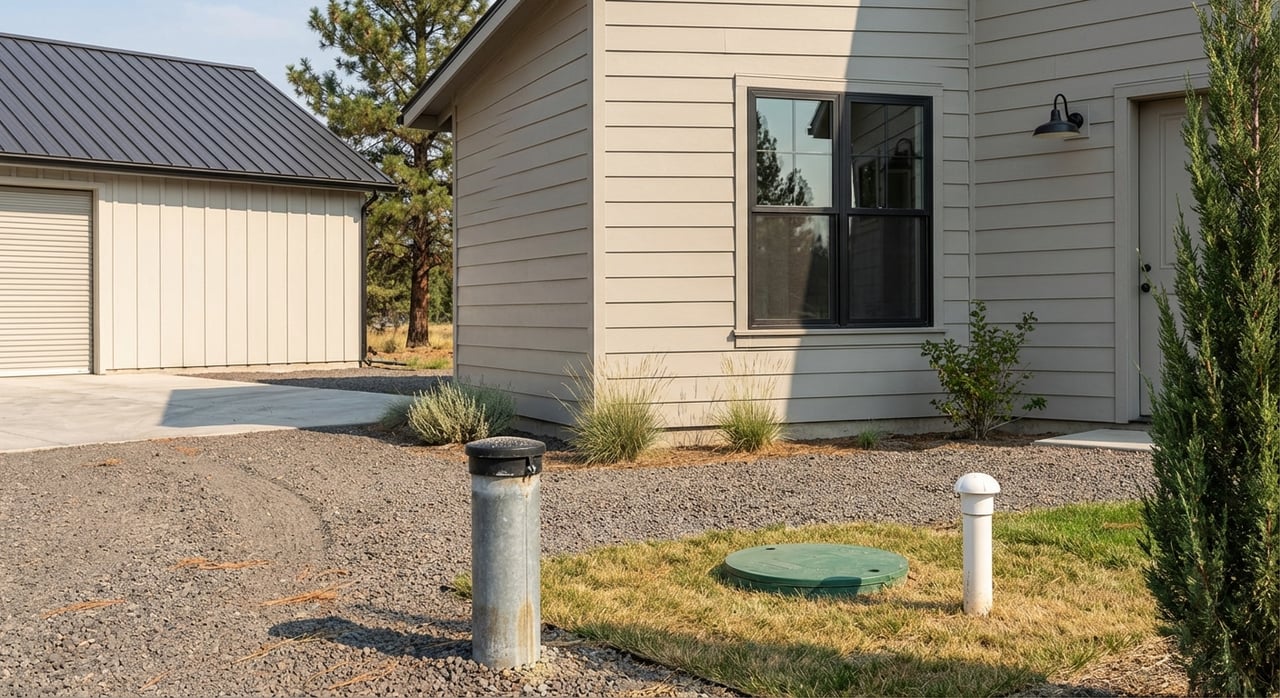
Big skies, elbow room, and room for your projects are why Ranchettes acreage turns heads. The tradeoff is that private wells, septic systems, and county zoning will shape what you can build and how fast you can close. If you understand the rules and line up the right inspections early, you can avoid delays and protect your investment. This guide gives you the essentials for wells, septic, zoning, access, and recorded covenants specific to Ranchettes in Laramie County, plus a step‑by‑step checklist and timeline. Let’s dive in.
Who regulates what in Ranchettes
Ranchettes sits in unincorporated Laramie County, so most rules are county or state level. You will work with a few offices during due diligence.
- Laramie County Planning & Development enforces the 2025 Land Use Regulations, which set zoning, setbacks, and permit requirements. When you need the official rules, start with the adopted Laramie County Land Use Regulations.
- Cheyenne–Laramie County Public Health, Environmental Health Division, handles on‑site wastewater permitting, well and septic conveyance inspections, and water testing. Their process is outlined on the Well & Septic Inspections page.
- The Wyoming State Engineer’s Office controls groundwater permits, well construction standards, and licensing for drillers and pump installers. See their Ground Water general processes and FAQs.
- The Laramie County Clerk records deeds, plats, easements, and private covenants. You can search recorded items on the Real Estate Recordings page.
Wells: permits, testing, and pitfalls
Buying acreage almost always means a private well or a plan to drill one. Do not assume a well is permitted or that water quality meets lender standards without proof.
What Wyoming requires before drilling
Wyoming law requires you to obtain a groundwater appropriation permit before drilling for domestic or stock use. You apply through the State Engineer using the U.W.5 form, then use a licensed well driller and pump installer. The State Engineer details the steps on the Ground Water general processes page. Processing times for uncomplicated domestic or stock permits are often short, and the office explains typical timelines in its FAQs.
If a well already exists on the property
Ask the seller for complete well documentation. At minimum, request the State Engineer well registration or permit number, well depth, pump size, and the Statement of Completion. If the driller provided an open‑hole or completion report or a recent pump test, collect copies. Then order independent water testing. County Environmental Health lists common bacteriological and nitrate standards for conveyance on its Well & Septic Inspections page. If you have concerns, add tests for sulfates, total dissolved solids, or other site‑specific items.
If paperwork is incomplete for an older well, plan extra time. The State Engineer can research historic records and register existing wells, but filing backlogged Statements of Completion is common. Build schedule flexibility to obtain missing documents or, if necessary, to plan for a replacement well.
If there is no well or the well is inadequate
You must obtain your domestic or stock well permit before any drilling. Domestic and stock permits are different from irrigation permits, and conversions require State Engineer approval. Use a licensed contractor, and plan drilling timelines around contractor availability and weather. The State Engineer’s FAQs outline both permit timing and post‑drill filing requirements.
Shared wells and off‑site water sources
If a home depends on a shared or off‑site well, do not proceed without clear, recorded agreements. The State Engineer cautions buyers to establish written shared‑well agreements, and you must verify any easements for access and maintenance. Confirm who pays for power, repairs, and testing, and make sure those terms are in writing.
Septic systems: permits, inspections, and repairs
Most Ranchettes homes rely on on‑site wastewater systems. Your lender and the county will expect current documents and, if needed, a conveyance inspection.
County rules you must follow
Laramie County’s Land Use Regulations incorporate Environmental Health’s septic standards. If a public water or sewer district serves the parcel, you generally must connect rather than install or repair a private system. These requirements are stated in the adopted Land Use Regulations. Environmental Health issues small wastewater permits, performs conveyance inspections, and maintains lists of authorized installers and pumpers on the Well & Septic Inspections page.
What to request from the seller
Ask for the original septic permit, any repair permits, a recent certified pumping receipt, and an as‑built or map of the tank and drainfield if available. Environmental Health requests a pumping receipt less than three years old for conveyance. As the buyer, order a county well and septic evaluation and a water test immediately after your offer is accepted. Details and forms are on the Well & Septic Inspections page.
Signs a system may need repair
If you see surface ponding over the drainfield, strong odors, or dense patchy vegetation over the field, assume additional investigation is needed. Coordinate with a licensed septic contractor and the county for a repair permit before any work begins. Permit processing, soil testing, and installer scheduling can span weeks to months, so keep your deadlines flexible and your contingency dates conservative.
Zoning and outbuildings: what you can build
Even with several acres, zoning and permit rules still apply. The parcel’s zone sets your setbacks, accessory limits, and allowed uses.
Confirm your zone and allowed uses
Before you plan a barn, shop, or home business, confirm the official zone for your lot and whether any overlay applies. Zoning also controls setbacks, lot coverage, and whether accessory dwellings are allowed. Start with Laramie County Planning & Development and the adopted Land Use Regulations. For current zoning or possible amendments, call Planning & Development directly.
Accessory building thresholds
Laramie County exempts small accessory structures from building permits if they are under 200 square feet and have no plumbing or electrical service. Anything larger requires a building permit. Setbacks and maximum lot coverage are zone specific, so check the LCLUR tables for your parcel and speak with the county about interpretation. Permit handouts and contacts are available on the Building Permit Handouts and Fee Schedule page.
Shops, ADUs, and septic capacity
If you are planning a large shop or a second dwelling, verify that your well and septic can support the additional use. More bedrooms or plumbing fixtures can trigger septic upgrades or new permits. Align your building plans with water, wastewater, and electrical service availability early so you do not redesign mid‑stream.
Access, roads, utilities, and site risks
Rural roads and service availability can affect financing, insurance, and long‑term maintenance costs.
Public vs. private roads and driveway permits
Find out if your access road is county maintained or private. Private roads often rely on recorded maintenance agreements or HOA provisions. You can locate those records with the County Clerk. If you plan to add or modify a driveway, coordinate with Public Works for approach permits and culvert standards. The process is outlined on the Public Works Permits page.
Utility service and mandatory connections
Many Ranchettes tracts are outside central water and sewer service areas, which means private wells and septic are typical. If your parcel lies inside a water or sewer district that serves the area, the LCLUR requires connection to central services unless the district authorizes an exception. Review the connection requirement in the Land Use Regulations and confirm service boundaries with Planning & Development.
Fire risk and floodplain checks
Before you finalize a purchase, check wildfire planning resources and county floodplain maps. These factors can affect insurability and allowable development. County planning pages provide links to floodplain resources and wildfire planning through Planning & Development.
Covenants, plats, and recorded restrictions
Private covenants can be more restrictive than zoning. They can limit the number or type of outbuildings, control fencing, and set design standards.
Search the County Clerk’s system for subdivision plats, road maintenance agreements, easements, and CC&Rs. If a property depends on a private road or shared well, confirm that maintenance and access rights are recorded. Start your search on the Real Estate Recordings page, and request a title commitment during your contract period.
A practical due diligence checklist
Use this list to structure your inspection window and keep surprises out of closing.
- Legal and recorded documents
- Ask the seller for the current deed. Order a title commitment. Independently search the Clerk’s recorded documents for plats, easements, CC&Rs, and any road or shared‑well agreements using the Real Estate Recordings page.
- Zoning and service districts
- Confirm the parcel’s official zone, setbacks, and permitted uses with Planning & Development. Ask if the property is inside any public water or sewer district because connection may be required under the Land Use Regulations.
- Well documentation and water quality
- Collect the State Engineer well registration or permit number, Statement of Completion, and pump specs. Order bacteriological and nitrate testing right away, following the county’s Well & Septic Inspections guidance. If there is no valid permit, apply for a domestic or stock permit through the State Engineer’s general processes.
- Septic permits and condition
- Request the original permit, any repair permits, and a pumping receipt less than three years old. Order a county well and septic conveyance evaluation and budget time for any required repairs per the Well & Septic Inspections page.
- Access and driveways
- Verify whether your access is public or private. If private, confirm recorded maintenance obligations. If you need a new or modified driveway, coordinate approach permits with Public Works.
- Outbuildings and future plans
- For shops, barns, or accessory dwellings, verify permit triggers and zone setbacks in the Land Use Regulations. Remember the 200 square foot threshold for permit exemptions only applies when there is no plumbing or electrical service.
- Insurance, wildfire, and floodplain
- Confirm fire district coverage, typical response context, and whether wildfire mitigation or floodplain limits affect your plans. County resources are accessible via Planning & Development.
- Contractors and licensing
- Use licensed well drillers and pump installers as required by the State Engineer. For septic work, use county‑authorized installers and pumpers listed by Environmental Health.
Typical timelines during your contract
- Water and septic inspections and lab tests: schedule as soon as your offer is accepted. Plan 1 to 3 weeks for scheduling and lab turnaround, longer if follow‑up testing or repairs are needed. The county outlines the process on the Well & Septic Inspections page.
- State Engineer well permit to drill: domestic or stock permits often process in 1 to 2 weeks for uncomplicated applications. Drilling depends on contractor availability and season. The FAQs explain permit timing and post‑drill filings.
- Septic repairs or a new system: permitting, soil testing, installation, and final inspection often span several weeks to months, depending on season and contractor availability. Build contingency time into your contract. Details are on the county’s Well & Septic Inspections page.
- Building permits for accessory structures over 200 square feet: plan review times vary. See the county’s Building Permit Handouts and Fee Schedule and speak with Planning for estimates.
The bottom line for Ranchettes buyers
Acreage in Ranchettes delivers space and privacy, but success hinges on early, thorough due diligence. Verify well permits and water quality, order a county septic conveyance evaluation, confirm whether roads are public or private, and pull recorded covenants. Check the parcel’s zoning and setbacks before you plan outbuildings, and assume you will need extra time and budget if a new well or septic repair is required.
If you want a calm, expert partner to help you line up inspections, read the county rules, and keep your contract on track, we are here for you. Reach out to The Harvey Home Team to talk through your Ranchettes goals and next steps. Call me. Seriously.
FAQs
What permits do I need to drill a domestic well in Ranchettes?
- You must apply to the Wyoming State Engineer for a domestic or stock groundwater permit before drilling, use a licensed driller and pump installer, and file completion paperwork as outlined in the State Engineer’s general processes and FAQs.
What septic documents should I ask a seller to provide in Laramie County?
- Request the original septic permit, any repair permits, an as‑built if available, and a pumping receipt less than three years old, then order a county well and septic conveyance evaluation per the Well & Septic Inspections guidance.
Can I build a shop or barn without a permit on Ranchettes acreage?
- Accessory structures under 200 square feet with no plumbing or electrical service are typically exempt from building permits, while anything larger requires a permit and must meet zone‑specific setbacks in the county’s Land Use Regulations.
Do I have to connect to public water or sewer if lines are nearby?
- If your parcel lies within a public water or sewer district that serves the area, the LCLUR generally requires connection unless the district authorizes otherwise, so confirm boundaries with Planning & Development.
How can I tell if my road is public or private in Ranchettes?
- Check the title commitment and the County Clerk’s recorded documents for road dedications and maintenance agreements, and coordinate new or modified driveways with Public Works using the Public Works Permits resources.