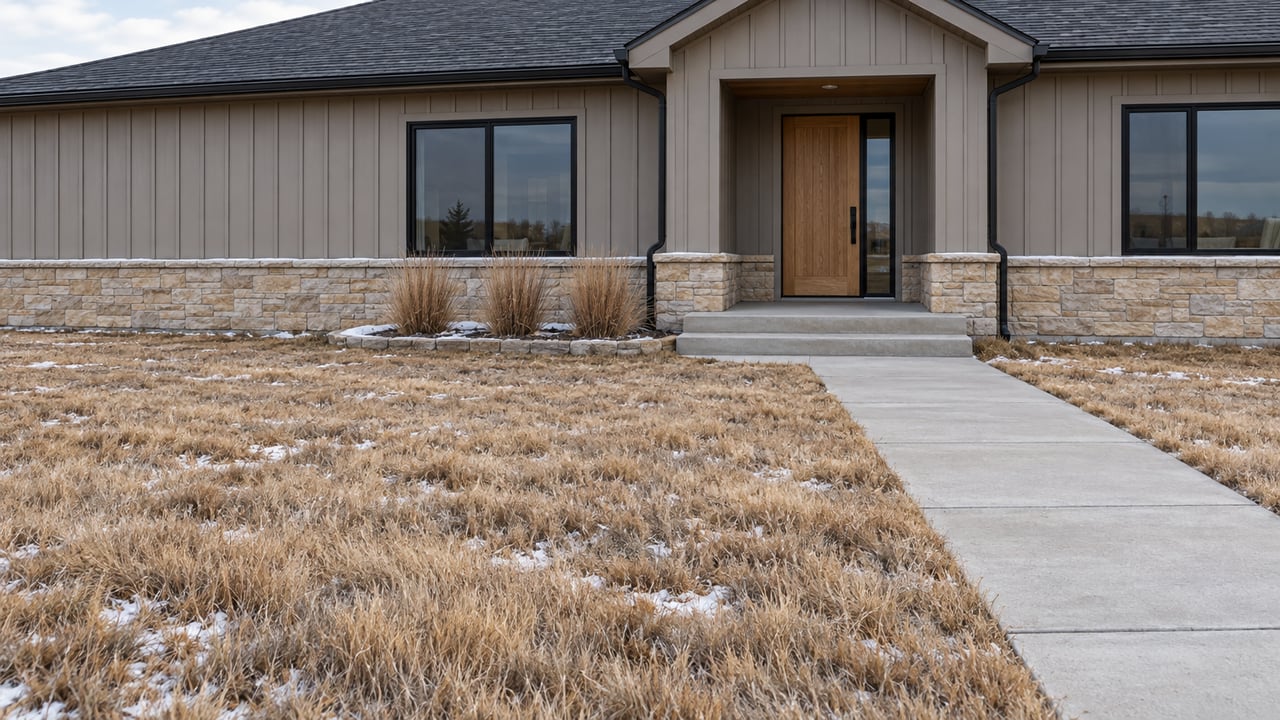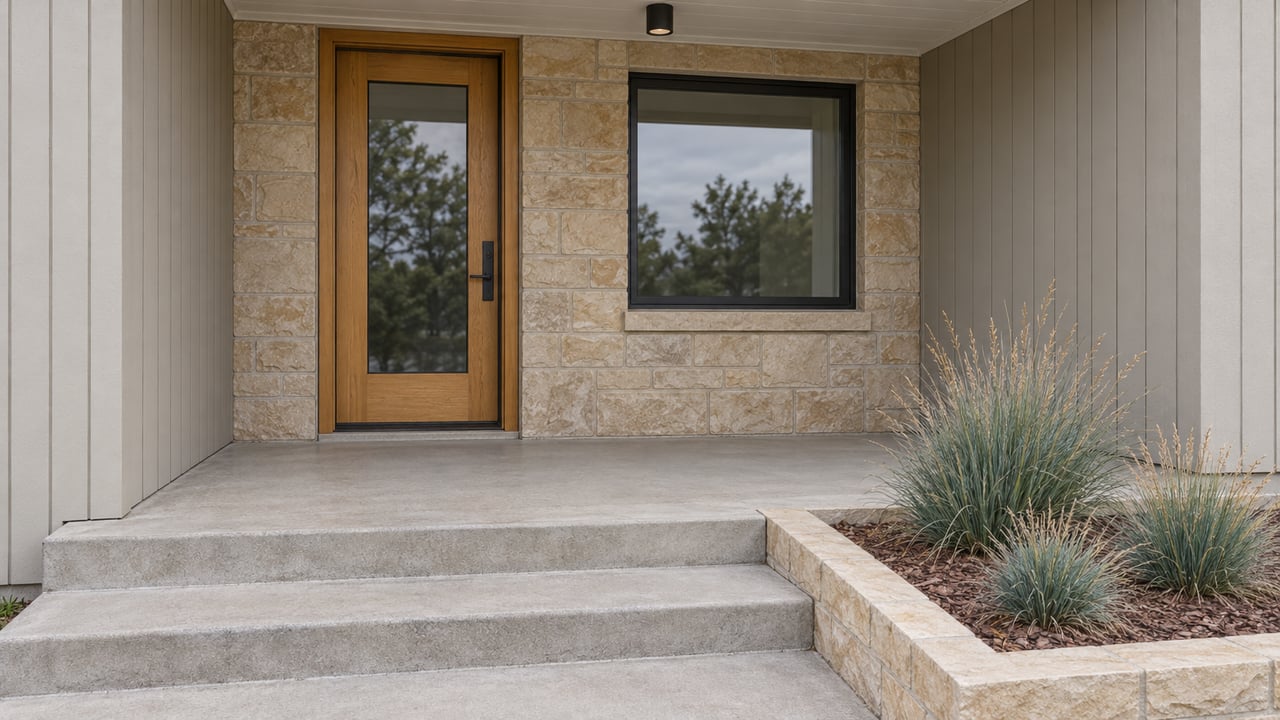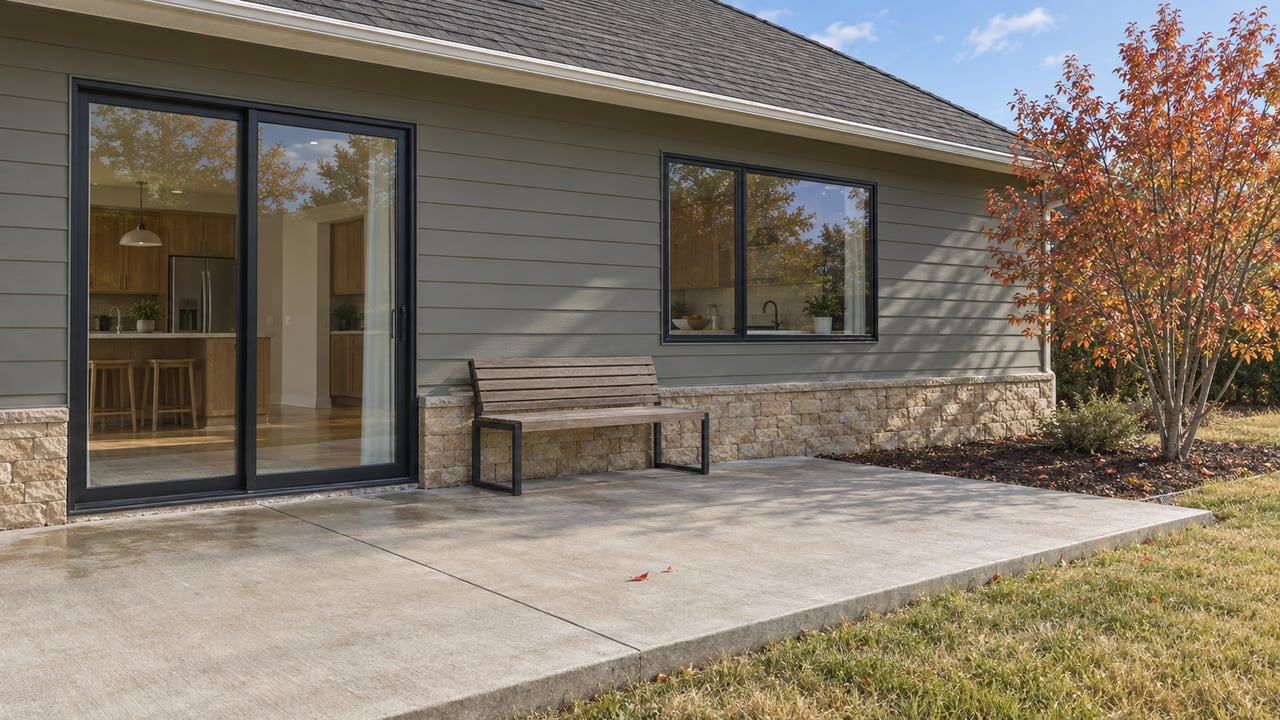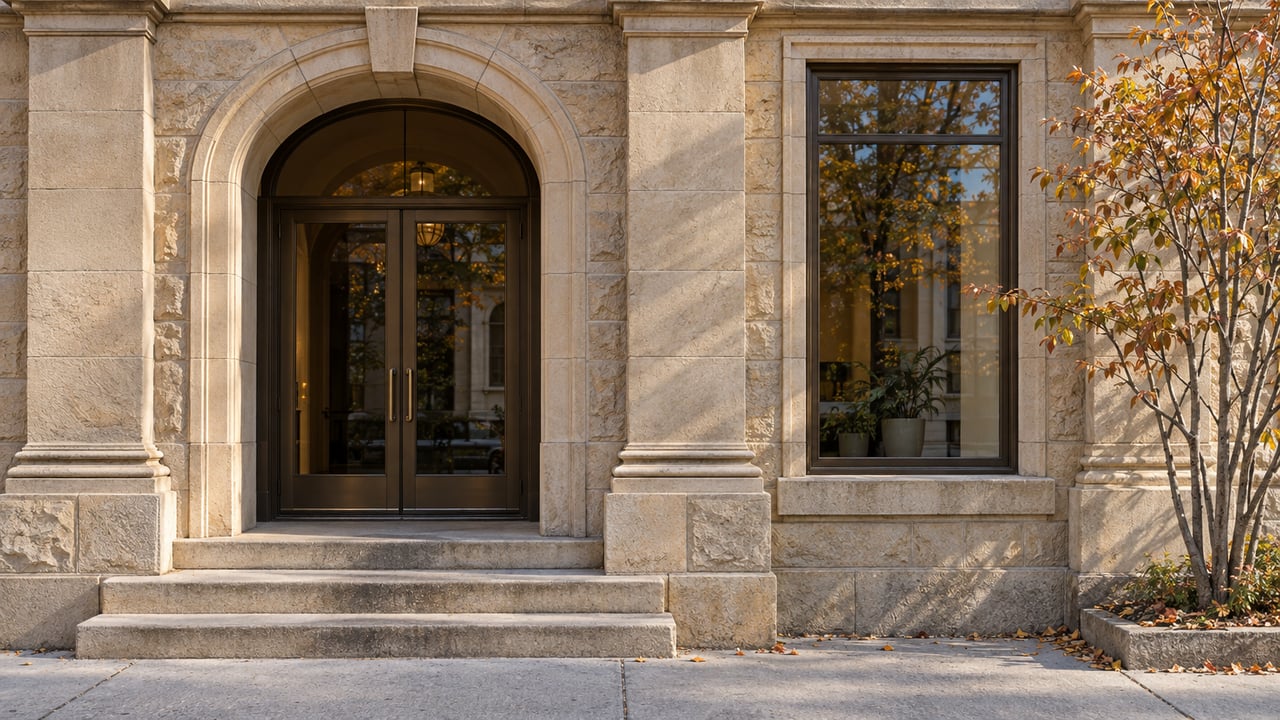
If you are torn between a new build and an Old Town home in Berthoud, you are not alone. This is one of the most common questions buyers ask because the choice is usually not about one option being better than the other. It is about deciding which lifestyle, costs, and home features fit you best. In this guide, you will see how Berthoud’s planning, current housing mix, and neighborhood structure shape that decision. Let’s dive in.
Why this choice feels different in Berthoud
In Berthoud, the new build versus Old Town debate is not a simple price battle. The town’s planning documents treat these areas as distinct settings with different goals and character.
Old Town Residential and Downtown are framed as character districts. The town emphasizes historic identity, mature trees, front porches, aligned entries, and a pedestrian-friendly small-town feel.
Newer suburban neighborhoods are planned with a different purpose. Town standards call for mixed lot sizes, walkability, bikeability, detached sidewalks, and more variety in block layouts so new areas do not feel too repetitive.
What Old Town homes usually offer
Character and established setting
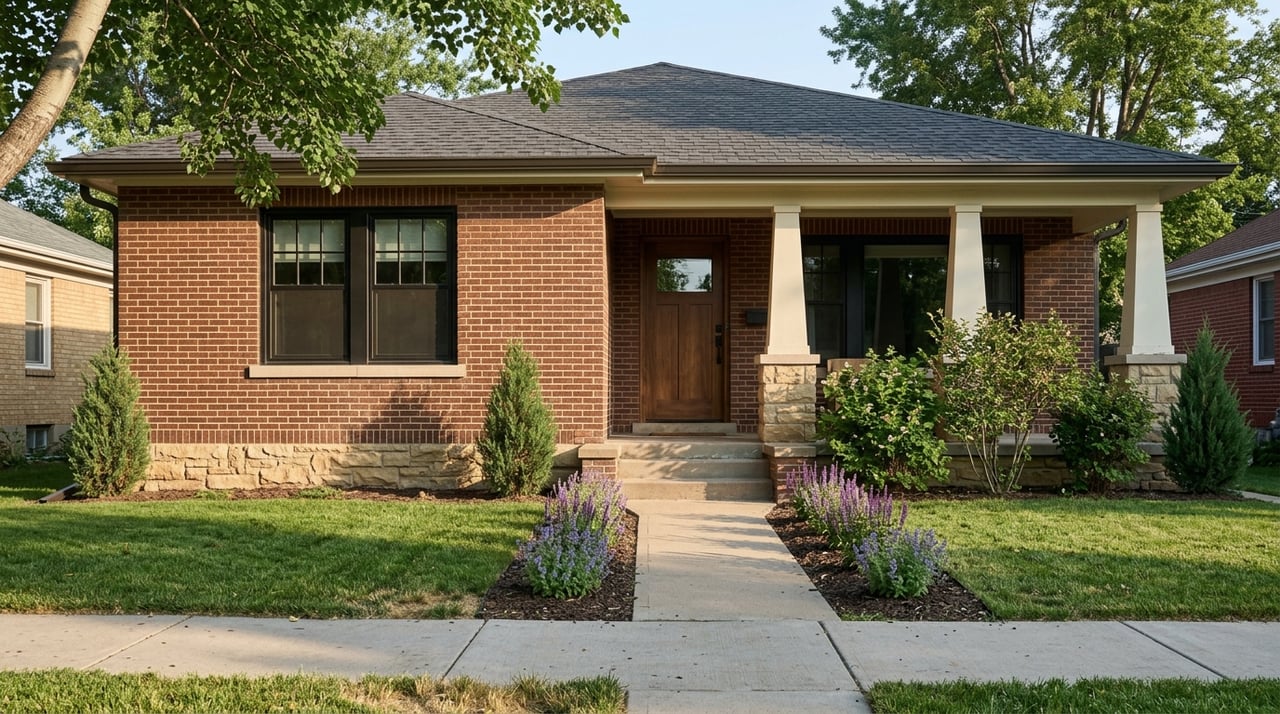
If you love homes with personality, Old Town may stand out right away. Berthoud’s guidance for the area focuses on preserving a mix of architectural styles, traditional scale, and streets shaped by mature landscaping and porches.
Current Old Town listings reflect that pattern. You will often see older homes from the early 1900s, detached garages, larger established lots, and strong curb appeal created by trees and long-settled streetscapes.
Walkability to daily destinations
A major draw in Old Town is convenience on foot. Berthoud Main Street promotes downtown as a walkable district with dining, shopping, services, and events, and listings in the area often mention access to downtown businesses, parks, and other nearby stops.
That can shape your daily routine in a meaningful way. If you want to stroll to local businesses, enjoy town events, or live near the historic core, Old Town often lines up with that goal better than a newer subdivision.
Fewer formal monthly overlays
Many Old Town listings advertise no HOA and no metro tax. That can be appealing if you want fewer recurring community-related costs layered on top of your mortgage, taxes, and insurance.
That said, fewer formal fees do not always mean lower total ownership costs. Older homes may come with maintenance needs or updates that newer construction may not have.
Not all Old Town homes are strictly historic
One important detail is that Old Town is not only made up of original historic homes. The current housing mix also includes newer custom infill homes designed to fit the surrounding setting.
That gives you more flexibility than many buyers expect. You may be able to find a home with a more updated interior while still enjoying the Old Town location and feel.
What new builds usually offer
Newer systems and floor plans
New construction in Berthoud appeals to buyers who want modern layouts and newer home systems. Current new-home inventory shows a broad range, from smaller three-bedroom homes around $485,000 to larger homes in the upper $700,000s, with some luxury options beyond that.
That range matters because it shows new construction is not one-size-fits-all. You may find entry-level options, move-up homes, or amenity-rich properties depending on the neighborhood.
Planned neighborhoods and amenities
Berthoud’s newer communities are intentionally designed. Town code requires lot-size variety, housing-model variety, and block diversity plans, which helps create a more curated neighborhood layout.
Many newer communities also center daily life around amenities. Depending on the neighborhood, that can include trails, parks, open space, walking paths, pools, golf features, or low-maintenance living options.
A wider mix of living styles
New-build choices in Berthoud are more varied than many people assume. Some communities offer larger lots, while others focus on maintenance-free or low-maintenance living.
For example, Harvest Ridge advertises lots from about .22 to .35 acres and includes open-space and walking-path features through its HOA structure. Heritage Ridge emphasizes maintenance-free living, while Heron Lakes offers a large master-planned setting with reservoirs, trails, open space, golf, and multiple home types.
HOA and metro district tradeoffs
Why monthly costs can look different
One of the biggest differences between Old Town and newer communities is how ongoing costs are structured. The Town of Berthoud explains that metropolitan districts are independent entities that often fund infrastructure and amenities through property tax revenue, and many Berthoud neighborhoods are located within metro districts.
In practical terms, newer communities often include HOA dues, metro district assessments, or both. Older Old Town properties more often market themselves around the absence of those added layers.
What those fees may cover
The benefit of those costs is that they may support amenities or reduce some routine responsibilities. Harvest Ridge lists an annual HOA of $1,000 that covers trash, park maintenance, open spaces, walking paths, and property management.
Heritage Ridge lists a monthly HOA of $200 and includes snow removal, lawn care, exterior maintenance, hazard insurance, exterior water, and pool membership. In communities like Heron Lakes, HOA and metro structures are tied to lifestyle amenities such as trails, pool access, and golf-related features.
The real question to ask
Instead of asking whether HOA or metro costs are good or bad, it is better to ask what you get in return and whether that matches your priorities. Some buyers want the predictability and convenience of maintenance support and shared amenities.
Others would rather avoid those monthly layers and handle upkeep more independently. That is where your budget and lifestyle matter more than the headline purchase price alone.
Walkability means different things
Old Town walkability
In Old Town, walkability usually means access to the historic core. You may be able to walk to downtown businesses, community events, parks, and local services, depending on the exact property location.
That kind of walkability supports a classic small-town experience. It can feel more connected to Berthoud’s civic and historic identity.
New neighborhood walkability
In newer subdivisions, walkability often has a different focus. The design is usually centered on internal sidewalks, trails, parks, open space, and neighborhood amenity areas.
That can still be very appealing, especially if you value recreation and neighborhood planning. It is simply a different kind of daily convenience than walking into the downtown core for errands or events.
Price overlap is real
Berthoud’s broader market sits around the low-$600,000s on median based on current sources. Redfin shows a May 2026 median sale price of $609,630, while Zillow shows an April 2026 median sale price of $623,300, a median sale-to-list ratio of 0.994, and median days to pending of 25.
Those numbers suggest a market where pricing remains fairly close to list price on median, even though individual homes can vary. More importantly, they show why this decision is not just about finding the cheaper side of town.
Old Town examples currently range from roughly the low $500,000s into the low $700,000s, while Berthoud’s new-build inventory ranges from about $485,000 into the upper $700,000s, with luxury construction extending higher. In other words, many buyers are choosing between overlapping price points with very different living experiences.
How to decide which fit is better
Old Town may fit you if you want:
- Historic charm or a home with more architectural personality
- Mature trees and an established streetscape
- Walkability to downtown Berthoud businesses and events
- A property that may have no HOA and no metro tax
- A neighborhood tied closely to Berthoud’s historic identity
A new build may fit you if you want:
- Newer systems and more modern floor plans
- Community amenities such as trails, parks, pools, or golf features
- A more intentionally planned neighborhood layout
- Larger garages or newer design features
- More predictable maintenance structure in certain communities
The best choice depends on how you want to live
In Berthoud, this is less about old versus new and more about character versus convenience, independent ownership versus shared amenities, and downtown access versus planned neighborhood living. Both options can make sense, and both exist across a meaningful range of price points.
If you are comparing homes in Berthoud, the smartest move is to look beyond the listing photos. Compare the full monthly cost, the neighborhood structure, the kind of walkability you want, and how much value you place on charm, amenities, and maintenance expectations.
If you want help sorting through Berthoud new builds, Old Town homes, or both, connect with The Harvey Home Team. You will get clear guidance, local insight, and a high-touch approach that helps you move forward with confidence.
FAQs
What is the main difference between Old Town homes and new builds in Berthoud?
- Old Town homes usually offer more historic character, mature trees, and walkability to downtown, while new builds often offer newer systems, planned amenities, and more modern layouts.
Are Old Town Berthoud homes always older historic houses?
- No. Old Town also includes some newer infill homes that are built to fit the surrounding historic-style setting.
Do new-build neighborhoods in Berthoud usually have HOA or metro district costs?
- Many newer communities do include HOA dues, metro district assessments, or both, while older Old Town listings often advertise no HOA and no metro tax.
Is it cheaper to buy a new build or an Old Town home in Berthoud?
- Not necessarily. Current price ranges overlap, so the decision is usually more about home style, amenities, and monthly cost structure than a simple cheaper-versus-pricier comparison.
What kind of walkability do Berthoud new builds and Old Town homes offer?
- Old Town walkability usually relates to downtown shops, services, parks, and events, while new-build walkability is more often tied to neighborhood trails, sidewalks, parks, and amenity areas.